AI & Haptic Simulation in Dental Training | CranioCatch
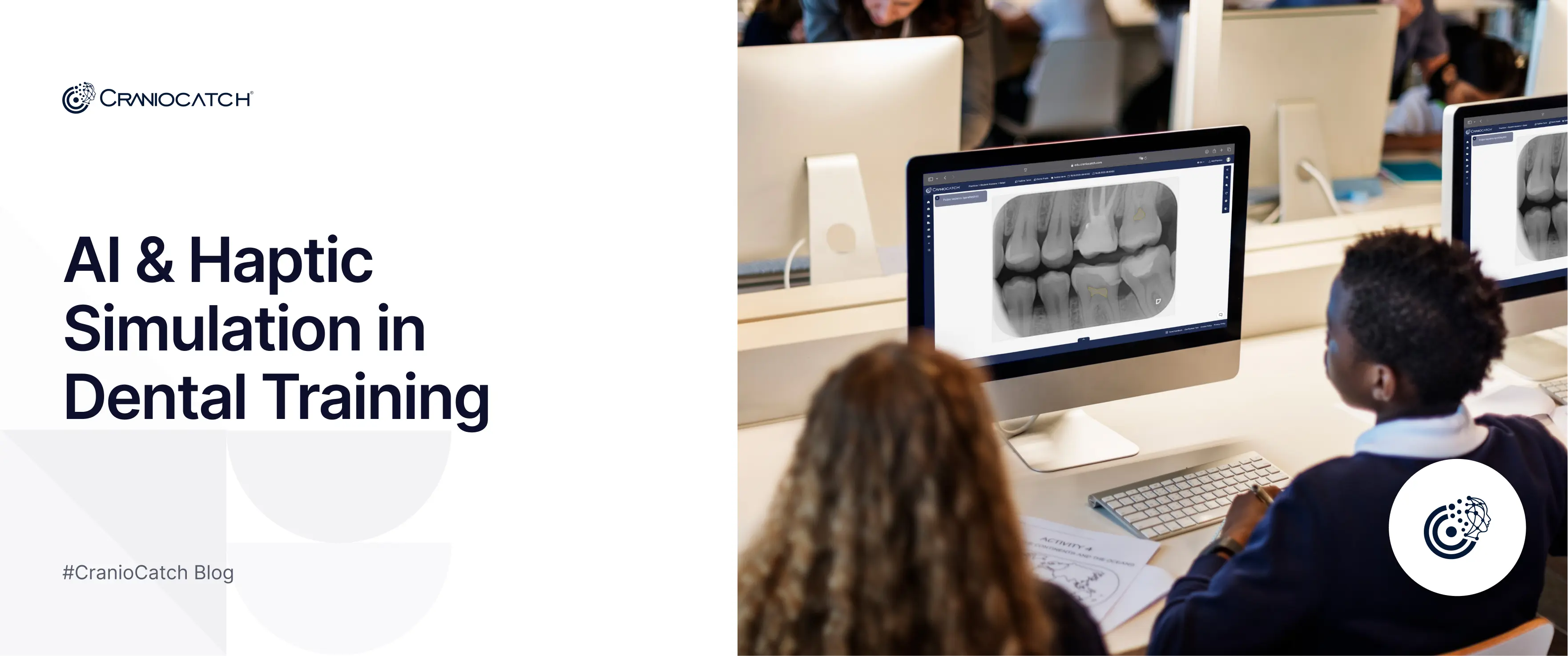
Integrating AI and Haptic Simulation in Preclinical Dental Training
AI and haptic simulation in dental training are revolutionizing preclinical education by combining tactile feedback with intelligent guidance systems. These technologies allow dental students to practice procedures with unprecedented realism, improving hand-eye coordination, procedural confidence, and technical precision before treating real patients. Platforms that integrate artificial intelligence in dental education offer adaptive feedback and performance tracking, enabling personalized learning experiences that accelerate skill acquisition. By merging AI insights with haptic simulations, dental schools can enhance both the quality and efficiency of preclinical training. The result is a safer, more effective pathway for developing clinical competence while fostering innovation in dental education.
What Is Haptic Simulation in Dentistry and How Does It Work?
Haptic simulation in dentistry refers to the use of tactile feedback technology to replicate the feel of real dental procedures in a virtual environment. This technology allows students to “touch” and manipulate virtual teeth and tissues, providing realistic sensations such as pressure, resistance, and texture. Using specialized hardware, such as haptic devices and force-feedback instruments, learners can perform procedures like cavity preparation, crown shaping, and endodontic treatment without risking patient safety. The immersive nature of haptic simulation helps bridge the gap between theoretical knowledge and practical skill.
By integrating haptic systems into preclinical curricula, dental schools offer students repeated practice opportunities in a controlled, feedback-rich environment. Unlike traditional mannequin-based training, haptics provide nuanced tactile responses that mimic real-life conditions, improving motor learning and hand dexterity. Students receive immediate feedback on errors, instrument positioning, and procedural accuracy, enabling rapid skill refinement. Moreover, the combination of visual and tactile cues reinforces muscle memory, reducing the learning curve for complex procedures. As technology advances, haptic simulation continues to evolve, incorporating more realistic tissue properties, dynamic responses, and multi-sensory experiences, making dental education more comprehensive and effective than ever before.
How Is Artificial Intelligence Used in Dental Education?
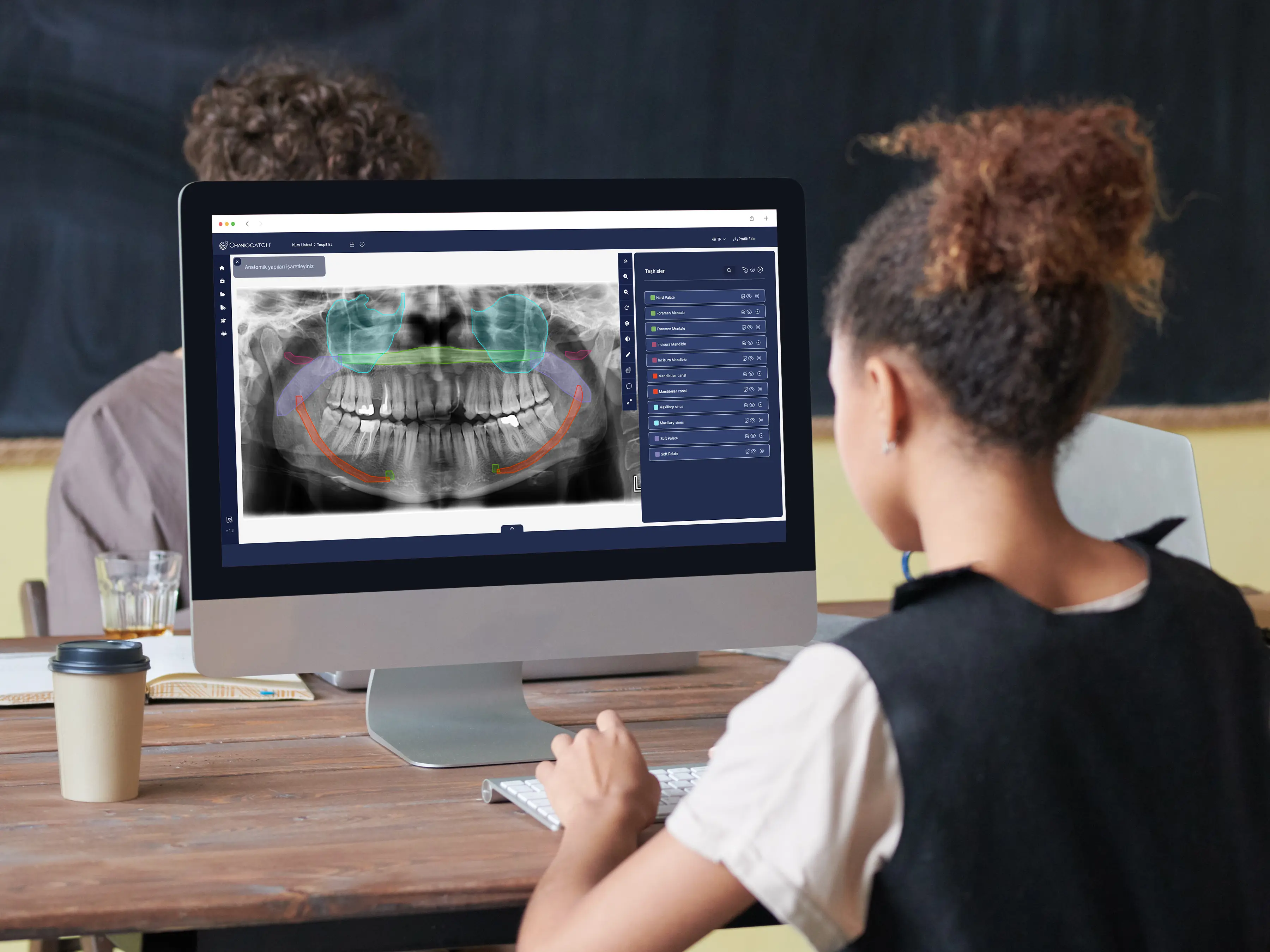
Artificial intelligence in dental education leverages machine learning algorithms and intelligent software to enhance learning outcomes, track student performance, and optimize training pathways. By analyzing vast amounts of procedural data, AI can identify common mistakes, predict skill progression, and suggest personalized exercises tailored to each learner’s strengths and weaknesses. This adaptive approach ensures that students receive targeted guidance, allowing them to master techniques faster and more effectively than traditional methods alone.
AI applications in dental education also extend to virtual patient simulations, radiographic analysis, and clinical decision-making exercises. For example, AI-powered platforms can simulate patient scenarios, evaluate student responses, and provide detailed feedback on treatment planning accuracy. Additionally, AI tools can generate performance metrics over time, enabling instructors to monitor skill development objectively and adjust teaching strategies accordingly. Integrating AI into preclinical training ensures consistency in education quality, supports evidence-based learning, and prepares students for modern, technology-driven clinical practice. More details on AI applications can be explored on AI for dental and artificial intelligence in dental education platforms.
What Are the Benefits of Combining AI and Haptics in Preclinical Training?
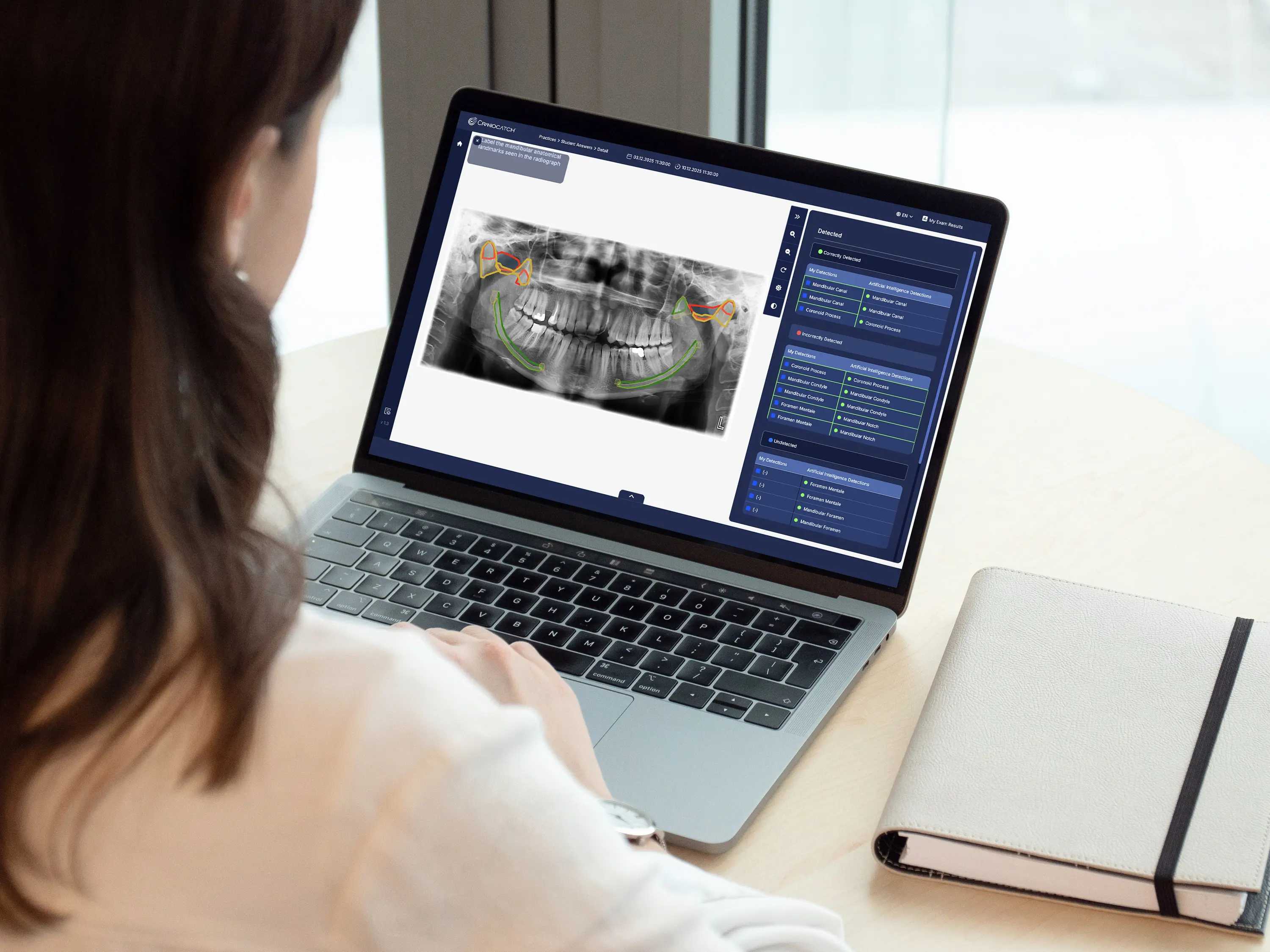
Combining AI and haptics in preclinical training maximizes the educational impact by offering both tactile realism and intelligent feedback. Students can practice procedures repeatedly in a safe virtual environment while receiving real-time guidance from AI algorithms. This integration supports skill acquisition, procedural confidence, and error reduction, leading to higher competency levels before entering clinical settings. By simulating realistic scenarios with adaptive difficulty, learners can gradually tackle complex cases, mastering both fundamental and advanced techniques.
Another key benefit of combining AI and haptics is the ability to personalize learning experiences. AI systems track individual performance, highlighting areas for improvement and suggesting targeted exercises. Meanwhile, haptic devices provide physical cues that reinforce proper technique and instrument handling. This dual approach accelerates learning, ensures consistent skill development, and minimizes reliance on patient-based training. Additionally, combining these technologies enhances student engagement, motivation, and retention, creating a more dynamic and effective educational environment.
What Is the Future of AI and Haptic Technologies in Dentistry Education?
The future of AI and haptic technologies in dentistry education is poised for rapid growth and transformation. Emerging innovations aim to further enhance realism, interactivity, and personalization in preclinical training. Advanced AI algorithms may soon provide predictive analytics on procedural outcomes, helping students anticipate potential challenges and adjust their approach before performing procedures on real patients. Similarly, haptic devices are expected to simulate a wider range of tissue textures, resistance levels, and patient-specific anatomical variations, making virtual practice nearly indistinguishable from real clinical experience.
Integration with virtual reality (VR) and augmented reality (AR) platforms will expand immersive learning opportunities, enabling collaborative simulations, remote instruction, and multi-sensory experiences. As technology continues to evolve, AI and haptic tools will support competency-based education, optimize curriculum design, and foster innovation in dental pedagogy. Ultimately, these advancements will not only improve preclinical training efficiency but also prepare the next generation of dentists for a technology-driven clinical environment, ensuring higher standards of patient care and professional excellence.

 Contact Us