Dental Automation: Streamlining Patient Care and Practice Efficiency

- Precise Diagnosis and Treatment Planning
- Speed and Efficiency in Treatment Processes
- More Comfortable and Less Invasive Procedures
- Data Management and Tracking
- Cost and Resource Efficiency
- Training and Development Opportunities
- Customer Satisfaction and Reputation
- Monitoring Progress and Adaptability
- Patient Awareness and Education
- Potential for the Future
- Continuous Improvement of Efficiency and Quality
- Global Access and Applicability
- Dental Office Automation
- Dental Service Automation
- Dental Hygiene Automation
- Conclusion
Today's field of dentistry is rapidly evolving with the innovations brought by technological advancements. At the heart of this evolution lies dental automation technology, which offers a series of advantages for both dentists and patients. Let's delve into the benefits brought by this technology in detail:
1. Precise Diagnosis and Treatment Planning
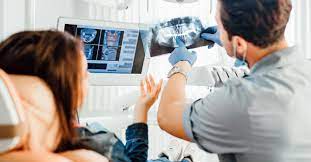
Dental automation technology provides dentists the ability to diagnose diseases earlier and more accurately. This is achieved through 3D imaging systems and digital scanning devices. These technologies allow obtaining detailed and precise images. Consequently, dentists can create more accurate and personalized treatment plans tailored to the individual's needs.
2. Speed and Efficiency in Treatment Processes
Dental automation accelerates dental treatment processes and makes them more efficient. Automatic dosage systems and measurements ensure the accurate use of materials. This optimizes the treatment process while making more efficient use of time.
3. More Comfortable and Less Invasive Procedures
Advanced robotic systems and precise devices allow for less invasive procedures for patients. This results in less discomfort during treatment and faster recovery. Additionally, less invasive procedures are often brief or painless.
4. Data Management and Tracking
Dental automation enables more effective management of patient data. Electronic record systems maintain patient files in an organized manner and provide dentists with quick access when needed. This facilitates easier data tracking on the dental server.
5. Cost and Resource Efficiency
Automation technology can reduce operating costs. Reduced material usage, less time spent, and fewer repeated treatments provide a more cost-efficient environment for both patients and dentists.
6. Training and Development Opportunities
Dental automation technology contributes to the education and development of dentists and dental students. Access to high technology offers better educational materials and hands-on learning opportunities, leading to the emergence of better-trained professionals in the industry.
7. Customer Satisfaction and Reputation
Having advanced technology can enhance customer satisfaction in a dental practice. Patients appreciate receiving treatment in a clinic equipped with modern and up-to-date equipment. This collaboration with technology firms like Semrush and dental AI companies can also increase a clinic's reputation.
8. Monitoring Progress and Adaptability
Dental automation technology allows flexibility in tracking and implementing industry advancements. In a rapidly evolving field, adapting and keeping pace with developments is a significant advantage. Through this technology, dentists can swiftly adapt to innovations.
9. Patient Awareness and Education
Explaining the advantages provided by dental automation technology can increase patients' interest in this technology. Educational materials, brochures, or informative seminars offered in clinics can help patients better understand this technology. This can enhance their confidence in treatments and foster a better collaborative environment.
10. Potential for the Future
Dental automation is just one part of today's technological advancements. This technology can be further developed and equipped with new features in the future. For instance, artificial intelligence technologies like dental AI and AI dental could enable more personalized and effective treatment methods to emerge.
11. Continuous Improvement of Efficiency and Quality
Dental automation technology offers opportunities for continuous improvement and development. Dentists can consistently enhance their work by evaluating the efficiency and effectiveness of this technology. This can lead to better treatment outcomes and increased patient satisfaction.
12. Global Access and Applicability
This technology can facilitate information sharing among dentists and clinics worldwide. Applications like tele-dentistry can provide services to patients in remote locations. This can increase the accessibility of dental care and make it available to a broader audience.
13. Dental Office Automation
Dental office automation uses AI-enabled systems and smart software to streamline front-desk operations, automate appointment scheduling, reminders, and patient communication, and reduce manual workloads, resulting in fewer missed calls and higher patient satisfaction.
Tools like AI receptionists work 24/7 to book appointments, answer inquiries, and sync with practice management software so staff can focus more on clinical care and less on repetitive tasks.
Automation also accelerates insurance verification and claims processing, cuts administrative errors, and helps practices lower operational costs while improving revenue cycle efficiency and patient engagement. By integrating these automated workflows, dental offices can boost productivity, reduce no-shows, and enhance overall office performance.
14. Dental Service Automation
Dental service automation refers to the integration of AI-powered systems and intelligent software into dental practices to automate core clinical and administrative workflows, boosting efficiency, accuracy, and patient care quality. Modern automation automates appointment booking, reminders, scheduling optimization, and 24/7 patient engagement, dramatically reducing no-shows and front-desk workload.
15. Dental Hygiene Automation
Dental hygiene automation refers to the use of AI-driven software and smart clinic systems to streamline both administrative and clinical support tasks in dental hygiene care, enabling hygienists to focus more on patient contact and preventive treatments.
Modern tools automate appointment booking, reminders, patient recall lists, and insurance verifications to reduce manual scheduling errors and boost chair utilization, particularly for hygiene visits.
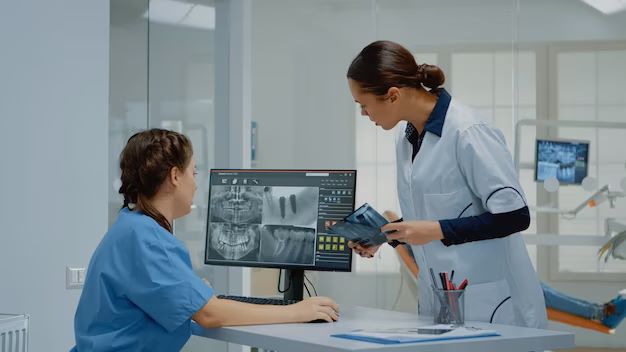
Automation also includes voice-activated periodontal charting and AI-assisted radiograph analysis, which help hygienists document periodontal status faster and detect issues more accurately.
By integrating automated reminders and recall notifications, practices can improve oral health maintenance and reduce missed hygiene appointments, enhancing overall patient outcomes and operational efficiency.
16. Conclusion
The advantages provided by dental automation technology carry significant potential for transformation and improvement in the field of dentistry. Benefits such as precise diagnosis, faster and effective treatment processes, reduced patient discomfort, and better outcomes highlight the importance of this technology.
It offers dentists an opportunity to perform their work more effectively and provides patients with a better experience. With future advancements, further development and widespread adoption of dental automation are expected. This will enable more effective, accessible, and personalized services in the dental industry.
The present and future of dental automation represent a revolutionary and continuously progressing field within dentistry. This technology holds exciting potential for better dental healthcare services.


 Contact Us